
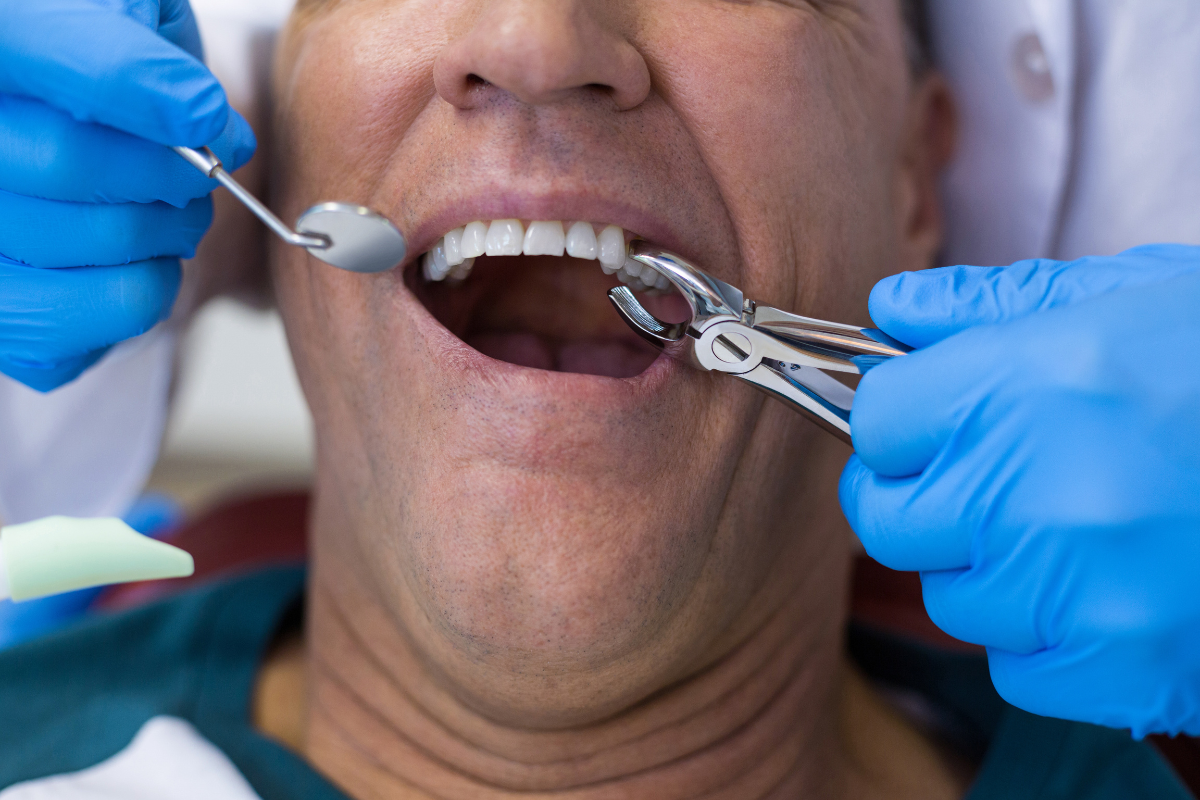
Protecting Your Smile: When Tooth Extraction Is the Best Solution
A tooth extraction is typically recommended when a tooth cannot be predictably saved due to severe decay, infection, advanced gum disease, or significant structural damage. While preserving natural teeth is always the preferred option, there are situations where removing a problematic tooth is the healthiest way to protect the rest of your smile and prevent more serious complications.
Many people hesitate when they hear the word “extraction.” That reaction is understandable. However, delaying treatment for a severely damaged tooth can sometimes lead to worsening pain, infection, bone loss, and damage to neighboring teeth. Understanding when extraction becomes the right choice can help you make informed decisions about your oral health.
At Williams Family Dentistry, we believe patients deserve clear, honest guidance about their treatment options. Drawing on decades of clinical experience, Dr. Margie Williams and our team help patients understand when a tooth can be preserved and when removal offers the healthiest long-term outcome. If you are experiencing persistent dental discomfort, we encourage you to visit our dental office for a personalized evaluation and treatment recommendation tailored to your needs.
Why Would a Dentist Recommend Removing a Tooth?
Dentists recommend extraction when keeping a tooth would create greater risks than removing it. The decision is based on the tooth’s condition, surrounding bone support, infection levels, and long-term prognosis.
One of the most common misconceptions is that every painful tooth needs to be removed. In reality, dentists exhaust every reasonable option to preserve natural teeth whenever possible. However, there are situations where saving a tooth is no longer predictable or beneficial.
Common reasons extraction may be recommended include:
- Severe decay extending deep below the gumline
- Advanced gum disease with significant bone loss
- Extensive tooth fractures
- Serious infections affecting the tooth and surrounding structures
- Impacted teeth causing complications
- Teeth damaged beyond repair by trauma
- Overcrowding that affects oral function or treatment planning
The goal is not simply to remove a tooth. The goal is to preserve your overall oral health and prevent future complications.
What Are the Warning Signs That a Tooth May Not Be Saveable?
Persistent pain, recurring infections, severe mobility, extensive fractures, and advanced bone loss are common indicators that a tooth may no longer be a good candidate for restoration.
Certain symptoms should never be ignored because they often signal significant underlying damage.
Persistent or Recurring Pain
Pain that continues for weeks or repeatedly returns often indicates that the tooth’s internal structure or surrounding tissues have been compromised.
Repeated Infections
If an infection keeps returning despite treatment, the affected tooth may continue serving as a source of bacteria and inflammation.
Loose Teeth
Advanced gum disease can weaken the bone supporting a tooth. When substantial support has been lost, maintaining the tooth may become difficult.
Significant Structural Damage
Large fractures that extend below the gumline or into the root often limit restorative options and affect long-term success.
How Do Dentists Decide Whether a Tooth Can Be Saved?
Dentists evaluate the amount of healthy tooth structure remaining, the severity of infection, bone support, and the likelihood of long-term success before recommending extraction.
This is one of the most important questions patients ask, and the answer involves several clinical factors.
During an examination, your dentist will assess:
Remaining Tooth Structure
A tooth must have enough healthy structure to support restorative treatment. If decay or fracture has destroyed too much of the tooth, restoration may not be predictable.
Bone Support
Healthy bone plays a critical role in keeping teeth stable. Significant bone loss often changes the long-term outlook for the tooth.
Extent of Infection
Some infections can be treated successfully. Others spread into surrounding tissues and create ongoing risks.
Long-Term Prognosis
Dental practitioners look beyond immediate treatment. The goal is to determine whether the tooth can function successfully for years to come.
For patients considering tooth extraction in Denver, understanding these factors often helps eliminate uncertainty and provides confidence in the recommended treatment plan.
How Can Tooth Extraction Protect Your Overall Oral Health?
Removing a severely compromised tooth can prevent infection from spreading, relieve chronic discomfort, and protect neighboring teeth and supporting structures.
Many people view extraction as a loss. In many situations, it is actually a preventive measure.
An infected or severely damaged tooth can affect far more than the tooth itself. Left untreated, problems may spread into nearby tissues and increase the risk of additional complications.
Benefits of removing a non-restorable tooth may include:
- Relief from ongoing pain
- Reduced infection risk
- Protection of neighboring teeth
- Improved oral function
- Better overall oral health stability
Patients seeking tooth extraction in Denver are often surprised to learn that removing one unhealthy tooth may help preserve several healthy teeth nearby.
Common Dental Conditions That May Lead to Extraction
Severe decay, advanced periodontal disease, impacted teeth, and traumatic injuries are among the most common reasons extractions become necessary.
Severe Tooth Decay
When decay extends deep into the tooth and destroys most of its structure, restoration may no longer provide a predictable outcome.
Advanced Gum Disease
According to the Centers for Disease Control and Prevention (CDC), nearly half of adults aged 30 years and older have some form of periodontal disease. Advanced cases can destroy the bone supporting teeth and eventually lead to tooth loss.
Impacted Teeth
Impacted teeth may become trapped beneath the gums or emerge at improper angles, increasing the risk of infection, pain, and damage to neighboring teeth.
Dental Trauma
Sports injuries, falls, and accidents can sometimes create fractures that cannot be repaired successfully.
What Happens During a Tooth Extraction?
Most tooth extractions are straightforward procedures performed with local anesthesia to keep patients comfortable throughout treatment. Many patients expect extraction to be far more difficult than it actually is.
The process typically includes:
- Comprehensive Evaluation: Digital imaging and clinical examination help determine the best treatment approach.
- Numbing the Area: Local anesthesia is used to ensure comfort during the procedure.
- Gentle Tooth Removal: The affected tooth is carefully removed while minimizing trauma to surrounding tissues.
- Recovery Guidance: Detailed aftercare instructions help support proper healing and reduce the risk of complications.
For many patients undergoing tooth extraction in Denver, the relief from pain and infection becomes one of the most noticeable benefits shortly after treatment.
Why Early Treatment Matters More Than You Think
Addressing dental problems early often prevents more extensive treatment and protects more of your natural oral structures.
Dental problems rarely improve without intervention.
What begins as a small cavity can progress into a serious infection. A minor crack can deepen over time. Gum disease can continue damaging bone support without obvious symptoms.
Whether you’re enjoying a summer afternoon at Washington Park, exploring Cherry Creek, or attending an event at Red Rocks, ongoing dental pain can quickly interfere with daily life. Seeking professional care early gives you more options and often leads to better outcomes.
Protect Your Smile With the Right Diagnosis
Persistent tooth pain should never be ignored. While many dental problems can be treated conservatively, some situations require extraction to prevent further damage and support long-term oral health.
At Williams Family Dentistry, we take a personalized approach to every diagnosis and treatment recommendation. If you are dealing with ongoing discomfort, swelling, infection, or a damaged tooth, the most important step is obtaining an accurate evaluation. The sooner the problem is identified, the more effectively it can be managed.
If you are experiencing symptoms that may indicate a serious dental issue, don’t wait for the problem to worsen. Contact Williams Family Dentistry today to book an Appointment and receive a personalized diagnostic evaluation. Our dental team can help determine whether your tooth can be preserved or whether extraction is the healthiest solution for protecting your smile.
Frequently Asked Questions
How do dentists determine whether a tooth needs extraction?
Dentists evaluate tooth structure, bone support, infection severity, and long-term prognosis. Digital imaging and a clinical examination help determine whether the tooth can be predictably restored.
Can a tooth infection spread if it isn’t treated?
Yes. Dental infections can spread into surrounding tissues and potentially affect neighboring teeth. Prompt treatment helps reduce the risk of more serious complications.
What are the warning signs that a tooth cannot be saved?
Persistent pain, recurring infections, severe mobility, and extensive fractures are common indicators. A professional examination is necessary to confirm whether extraction is needed.
Is it better to remove a severely damaged tooth or try to restore it?
The answer depends on the tooth’s condition and long-term outlook. Your dentist will recommend the option that offers the healthiest and most predictable result.
How long should I wait before replacing an extracted tooth?
The ideal timeline varies based on healing and individual treatment goals. Your dentist will discuss replacement options and recommend the most appropriate timing.
Can gum disease cause tooth loss even without pain?
Yes. Gum disease often progresses silently and may not cause noticeable discomfort initially. Regular dental visits help identify problems before significant damage occurs.
What should I avoid after a tooth extraction?
Avoid smoking, drinking through straws, and vigorous rinsing during early healing. Following aftercare instructions closely helps support recovery and reduce complications.