
Lost a Tooth? Here’s How Dental Bridges Can Restore Your Smile
Have you started hiding your teeth in photos or avoiding certain foods after losing a tooth? Many adults deal with missing teeth because of injury, decay, or aging.
At Williams Family Dentistry in Denver, patients often ask whether replacing a missing tooth can help them feel comfortable again in daily life.
From biking around Central Park to enjoying outdoor weekends in Colorado, active lifestyles can become harder when chewing feels uneven or uncomfortable. That is why many patients consider dental bridges in Denver as a long-term option to restore function and appearance.
A missing tooth can affect more than looks. It may change how you chew, speak, and care for your oral health over time. Learning about your treatment choices early can help prevent future concerns.
What Happens When a Missing Tooth Is Left Untreated?
When a tooth is lost, nearby teeth may slowly move into the empty space. This can affect your bite and create areas that are harder to clean. Some patients also notice jaw discomfort or pressure while eating.
People in Denver often lead active, social lifestyles, so oral comfort matters during work meetings, dining out, and outdoor activities. Replacing a tooth early may help maintain daily comfort and oral balance.
Other common issues linked to missing teeth include:
- Trouble chewing certain foods
- Changes in speech clarity
- Uneven wear on nearby teeth
- Extra strain on the jaw
- Bone loss in the area over time
These concerns are why many patients ask about custom oral bridges as part of a restorative treatment plan.
Understanding How This Treatment Works
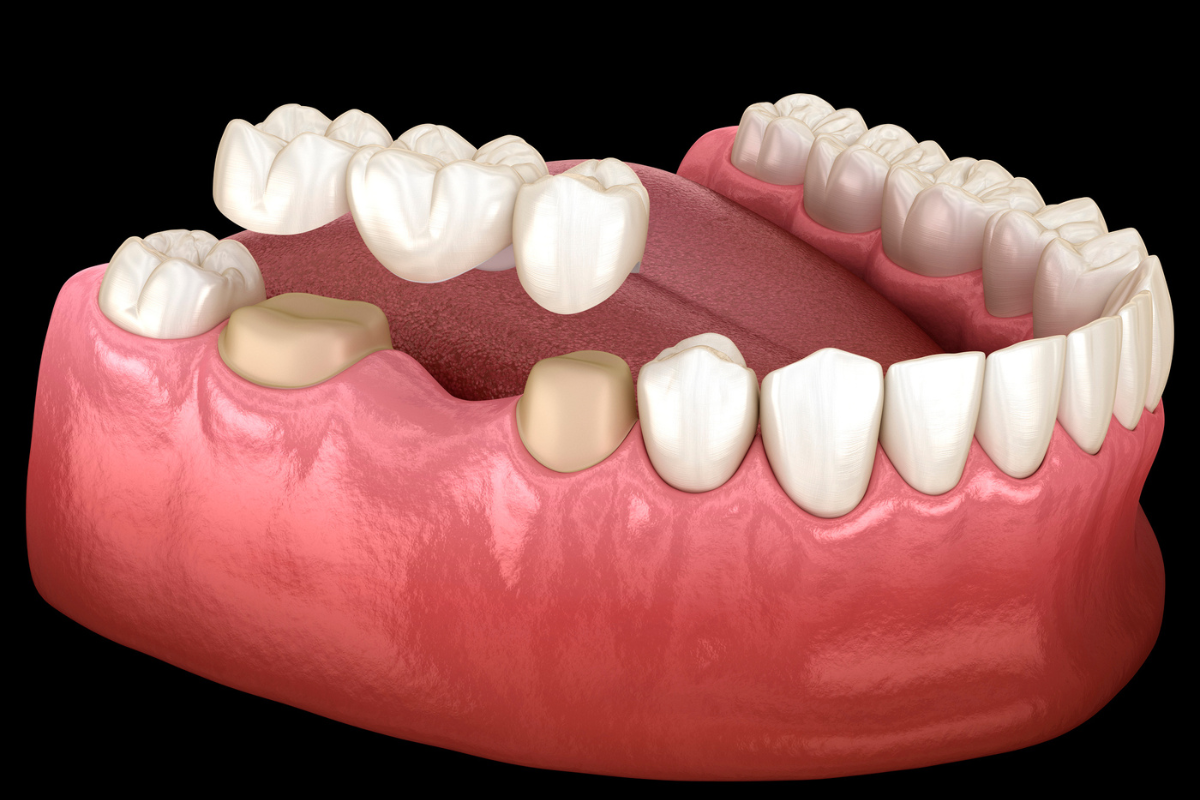
A bridge is a fixed restoration that fills the gap left by one or more missing teeth. It is usually supported by nearby teeth or dental implants, depending on the condition of the mouth.
At Williams Family Dentistry, the process begins with a complete evaluation. The dental team examines the health of the surrounding teeth, bite alignment, and gum condition before recommending treatment.
Many patients choose dental bridges because they stay securely in place and are designed to blend naturally with nearby teeth. Materials such as porcelain and zirconia are commonly used for durability and appearance.
Signs You May Be a Candidate
Not every patient has similar dental needs. However, several signs may indicate that this treatment could help restore comfort and function.
You Have One or More Missing Teeth
Even one missing tooth can affect chewing patterns and oral balance.
Your Nearby Teeth Are Healthy
Strong supporting teeth can help hold the restoration in place successfully.
You Want a Fixed Option
Some patients prefer a non-removable solution that feels stable throughout the day.
You Notice Changes in Your Bite
Shifting teeth or uneven pressure while eating may point to the need for restorative care.
Many people searching for dental bridges in Denver want an option that supports both comfort and appearance without major disruption to their routine.
Types of Restorations Often Recommended
Every patient has different goals and oral health needs. Dentists may recommend different styles depending on the location of the missing tooth and the condition of nearby teeth.
Traditional Bridge:
This option uses crowns on both sides of the gap to support the replacement tooth.
Cantilever Bridge:
This style is supported on one side and may work in areas with limited support.
Maryland Bridge:
A conservative option that attaches using a framework bonded behind nearby teeth
Implant-Supported Option:
Instead of relying on natural teeth, this approach uses implants for support.
Your dentist will explain which choice fits your oral condition and long-term goals.
How Daily Life Can Improve After Treatment
Replacing a missing tooth may improve comfort during meals and conversations. Many patients also report feeling more confident during social events and professional interactions.
For Denver residents who enjoy dining out, hiking, and busy schedules, improved oral function can make daily activities easier.
Benefits may include:
- Better chewing support
- Improved speech clarity
- Balanced bite pressure
- Protection for nearby teeth
- A fuller smile appearance
Patients considering bridges often choose a treatment that supports both function and appearance.
Caring for Your Restoration
Long-lasting results depend on daily care habits and routine dental visits.
Helpful care tips include:
- Brush twice daily
- Clean carefully around the restoration
- Use floss or interdental cleaners regularly
- Avoid chewing hard objects like ice
- Visit the dentist for routine exams
Consistent care may help your restoration last for many years.
If you have been dealing with missing teeth, now may be the right time to book an appointment with Williams Family Dentistry to discuss your options and learn whether orakl bridges in Denver could fit your needs.
Rebuild Your Confidence With Trusted Care
Living with missing teeth can affect comfort, appearance, and daily routines. Williams Family Dentistry provides restorative care focused on helping patients regain function and protect long-term oral health. If you are ready to visit our dental office in Denver, the team is here to answer your questions and guide you through every step of treatment.
You can find Williams Family Dentistry at 4624 Central Park Blvd Suite #102, Denver, CO 80238. Schedule your consultation today and take the next step toward a healthier smile.
Frequently Asked Questions(FAQ’s)
How long do dental bridges last?
With proper care and regular dental visits, many restorations last for years. A dentist can examine your oral health and recommend the right maintenance routine.
Is the procedure uncomfortable?
Most patients feel comfortable during treatment because the dentist uses modern techniques designed to support a smooth experience.
Can I eat normally after treatment?
After the healing period and final placement, many patients return to eating most foods comfortably with improved chewing support.
How do I know if this option is right for me?
A dental exam can help determine whether your teeth and gums are healthy enough to support treatment successfully.
Will the restoration look natural?
Modern materials are designed to blend with nearby teeth for a natural appearance that fits your overall smile.