
Why Dental Bridges Remain a Trusted Option for Replacing Missing Teeth
Missing a tooth can affect much more than your appearance. Many patients first notice changes when eating their favorite foods, speaking clearly, or smiling in photographs. Over time, a gap left by a missing tooth can affect the way your teeth fit together, place additional stress on neighboring teeth, and make everyday activities less comfortable.
Fortunately, there are now multiple options in modern dentistry to replace missing teeth. Among these options, dental bridges have remained a trusted treatment for decades because they reliably restore function, appearance, and confidence. While newer technologies continue to evolve, this treatment still provides an effective solution for many patients seeking a fixed and natural-looking replacement.
At Williams Family Dentistry, we regularly help patients restore their smiles after tooth loss. Dr. Margie Williams and Dr. Molly Johnson evaluate each patient’s bite, gum health, and long-term oral function before recommending treatment. This personalized approach helps ensure lasting results that support both oral health and quality of life. If you are considering your tooth replacement options, visit our dental office for a personalized consultation and guidance tailored to your needs.
According to the Centers for Disease Control and Prevention (CDC), tooth loss remains a common oral health concern among American adults. Replacing missing teeth promptly helps maintain proper chewing function, supports oral health, and preserves confidence in daily interactions.
Why Is Replacing a Missing Tooth Important?
Replacing a missing tooth helps maintain proper chewing function, prevents neighboring teeth from shifting, and supports long-term oral health. Leaving a gap untreated can create problems that become more complex over time.
Many individuals believe that a missing tooth is mainly a cosmetic concern. In reality, every tooth plays a role in maintaining balance within the mouth.
Losing a tooth can lead to several changes:
- Adjacent teeth may drift into the empty space
- Opposing teeth can begin moving out of position
- Bite alignment may change
- Chewing efficiency often decreases
- Speech patterns can be affected
- Additional stress may be placed on remaining teeth
These changes typically occur slowly, often going unnoticed until they impact daily routines.
What Is a Dental Bridge?
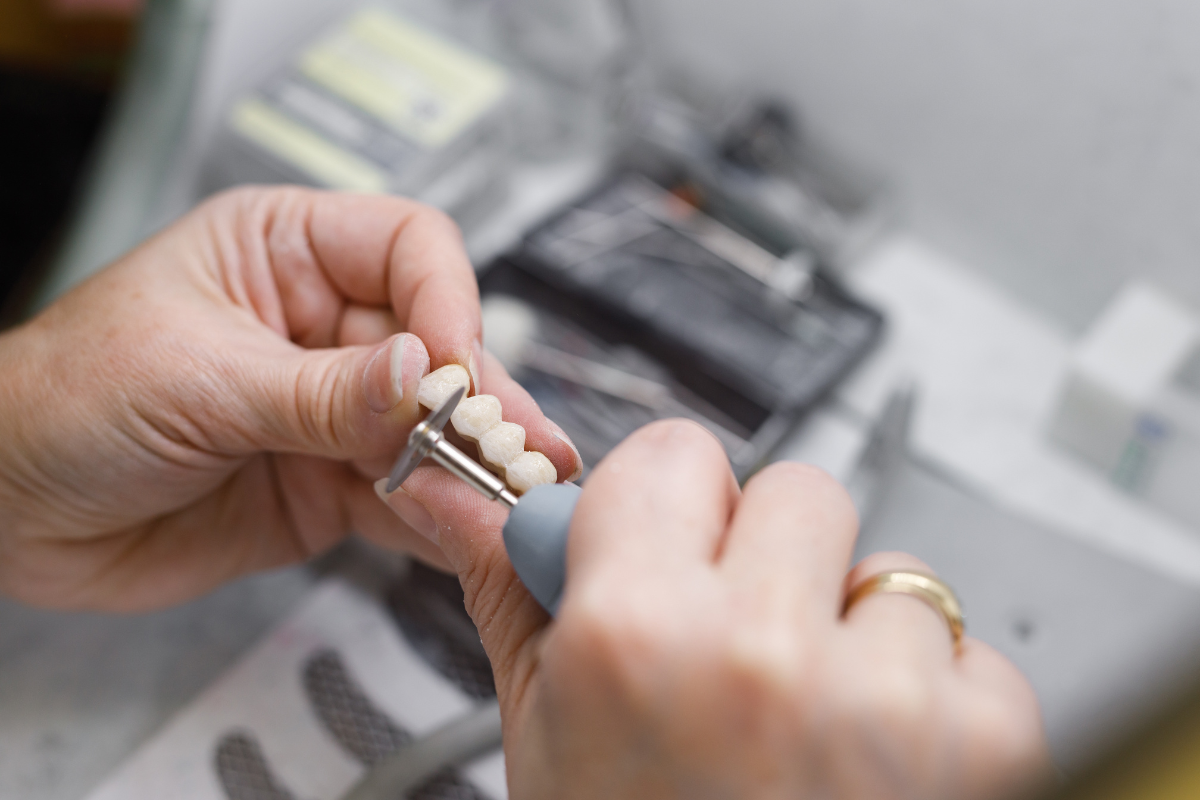
These fixed dental restorations replace one or more missing teeth by using neighboring teeth for support. It fills the gap created by tooth loss while restoring appearance and function.
It consists of three primary components:
- Abutment Teeth: Natural teeth that support the bridge
- Dental Crowns: Restorations placed over supporting teeth
- Pontic: An artificial tooth replacing the missing tooth
The result is a restoration that looks natural, functions comfortably, and helps restore the continuity of your smile.
Why Have Bridges Remained a Trusted Solution?
This treatment remains a trusted treatment because they replace missing teeth, restores chewing ability, prevents neighboring teeth from shifting, and provides predictable long-term results. For many patients, they offer an efficient and highly reliable solution.
While treatment options have expanded over the years, the procedure continues to deliver meaningful benefits.
Restores Everyday Function
A key immediate benefit is better chewing ability.
Patients often tell us they begin noticing the difference when eating foods they previously avoided. Whether it is enjoying a sandwich during lunch downtown or comfortably eating crisp fruits and vegetables, restoring function can make daily life easier.
Fixed and Stable
Unlike removable appliances, traditional options remain securely in place. Patients appreciate the convenience of a restoration that feels integrated into their smile without requiring removal for cleaning or storage.
Natural Appearance
Today’s dental materials allow this procedure to blend seamlessly with surrounding teeth. Shape, color, and contours are customized to create a natural-looking result that complements the rest of the smile.
Helps Prevent Tooth Movement
The longer a gap remains untreated, the greater the chance that surrounding teeth may shift. By filling the space, this treatment helps maintain proper alignment and supports long-term bite stability.
What Are the Consequences of Delaying Replacement of a Missing Tooth?
Delaying tooth replacement can lead to tooth movement, bite changes, uneven wear, and greater difficulty restoring the area later. The consequences often become more significant over time.
Many patients are surprised by how quickly the mouth begins adapting after tooth loss.
Potential complications include:
- Shifting teeth
- Bite imbalance
- Increased wear on remaining teeth
- Difficulty chewing certain foods
- Changes in facial support
- Greater restorative needs in the future
Addressing tooth loss early often allows for simpler and more predictable treatment.
Who Is a Good Candidate for This Tooth Replacement Treatment?
This procedure may be an excellent option for patients missing one or more teeth who have healthy supporting teeth and good overall oral health.
Many individuals exploring dental bridges in Denver are looking for a solution that restores their smile without requiring surgical treatment.
You may be a candidate if you:
- Have one or more missing teeth
- Have healthy adjacent teeth
- Maintain good oral hygiene habits
- Have healthy gum tissue
- Want a fixed tooth replacement solution
A comprehensive examination helps determine whether this tooth replacement option is appropriate for your specific needs.
How Does this Tooth Replacement Treatment Improve Quality of Life?
This tooth replacement procedure improves quality of life by restoring comfortable chewing, supporting clear speech, enhancing appearance, and helping patients feel confident in social situations.
The benefits often extend beyond oral health.
More Comfortable Eating
Many patients find they can eat more comfortably after treatment.
For people who enjoy local favorites such as green chile dishes, fresh Colorado produce, or dining with friends around Union Station, restoring chewing efficiency can make a noticeable difference.
Improved Confidence
A complete smile often helps people feel more comfortable during conversations, professional interactions, and social events.
Better Speech Clarity
Certain sounds depend on proper tooth positioning. Replacing missing teeth can improve pronunciation and speech comfort.
Balanced Bite Function
Replacing a missing tooth helps distribute chewing forces more evenly across the mouth, reducing strain on surrounding teeth.
For many patients considering dental bridges in Denver, these functional and lifestyle benefits are among the most compelling reasons to pursue treatment.
How Long Can a Bridge Last?
A well-maintained oral appliance can provide many years of dependable service. Longevity depends on oral hygiene, routine dental care, and the health of supporting teeth.
To help maximize the lifespan:
- Brush thoroughly twice daily
- Floss as instructed
- Attend regular dental checkups
- Avoid chewing excessively hard objects
- Address dental concerns promptly
Consistent preventive care plays a significant role in long-term success.
Why Professional Evaluation Matters
Every case of tooth loss is unique. A professional evaluation helps determine which treatment option provides the best long-term outcome for your oral health.
When evaluating missing teeth, dentists consider:
- Number of missing teeth
- Bite alignment
- Gum health
- Condition of supporting teeth
- Existing restorations
- Long-term functional goals
At Williams Family Dentistry, treatment recommendations are based on comprehensive clinical findings rather than a one-size-fits-all approach. This allows patients to make informed decisions with confidence.
Frequently Asked Questions(FAQ’s)
Can a dental bridge replace a back molar?
Yes. Dental bridges can replace missing molars when sufficient support exists. Your dentist will evaluate the strength and health of adjacent teeth before recommending treatment.
How many teeth can a dental bridge replace?
A bridge can replace one or several adjacent missing teeth. The design depends on the location of the gap and available support structures.
Will a dental bridge look natural?
Modern bridges are customized to match surrounding teeth. The goal is a restoration that blends naturally with your smile.
Can I eat normally with a dental bridge?
Most patients return to comfortable eating after adjusting to their bridge. Restoring the missing tooth often improves chewing efficiency significantly.
What happens if a supporting tooth develops a problem?
Supporting teeth play an important role in bridge stability. Regular examinations help identify concerns early and protect the restoration.
Are dental bridges removable?
Traditional bridges are fixed restorations. They remain securely in place and are not removed by the patient.
How do dental bridges compare to implants for older adults?
Both options can be appropriate for older adults. The ideal choice depends on overall oral health, bone levels, and individual treatment goals.
Restore Your Smile With a Proven Solution
Replacing a missing tooth is about more than filling a gap. It is about protecting your bite, preserving comfortable chewing, and maintaining the confidence that comes with a complete smile. Bridges continue to earn the trust of patients because they provide a proven, functional, and aesthetically pleasing solution for tooth loss.
If you are exploring options for dental bridges in Denver, the best first step is a personalized diagnostic evaluation. At Williams Family Dentistry, we take the time to understand your oral health, discuss your goals, and recommend treatment tailored to your specific needs.
Book an appointment for a comprehensive evaluation today to learn more about your tooth replacement options.