
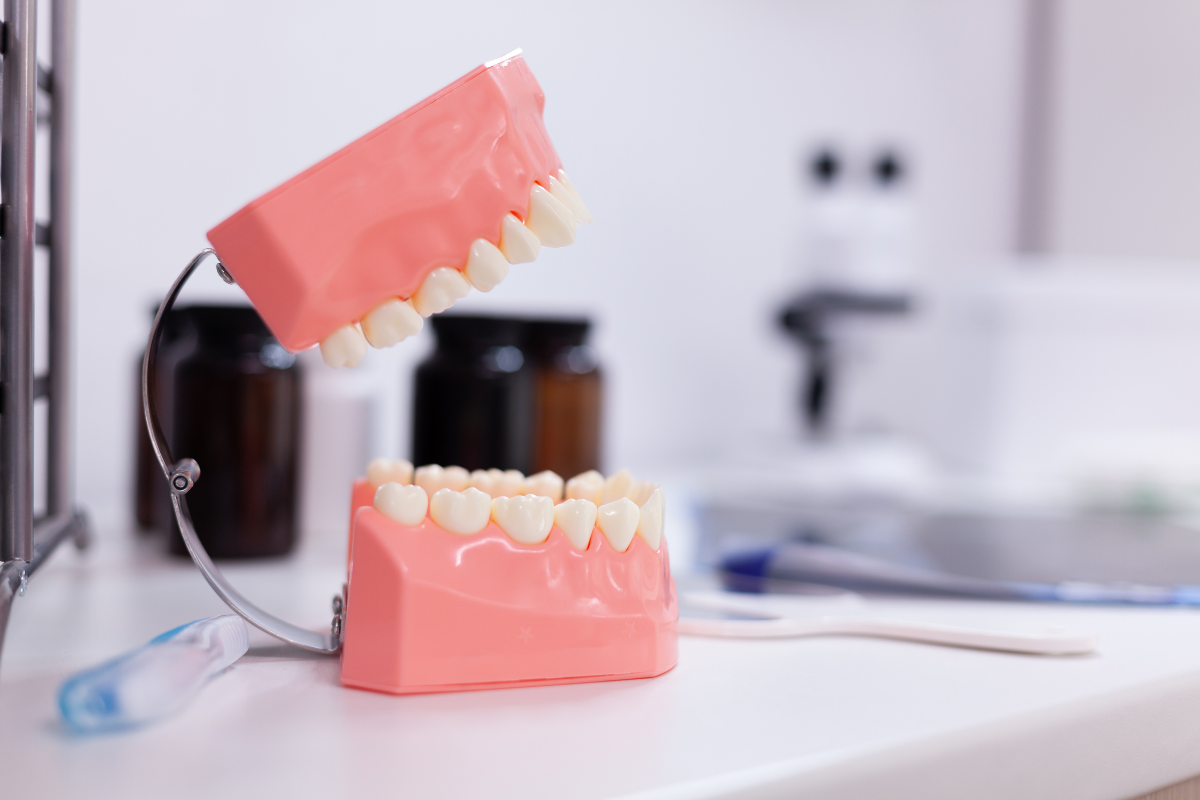
Understanding Denture Options in Denver That Support Daily Comfort and Oral Health
Dentures are a reliable and life-changing solution for individuals experiencing tooth loss. Whether due to aging, injury, or decay, they can restore both the function and aesthetics of your smile. For Denver residents, understanding the different types of dental plates available is crucial for selecting the right one to support your daily comfort and overall oral health.
At Williams Family Dentistry, we believe that everyone deserves a smile that they can feel confident about. In this blog, we will explore the various types of dental prosthetics and help you make an informed decision about which one is best suited for your needs.
Understanding the Main Denture Options
When researching dentures in Denver, you may come across several different types. Knowing what each option is designed to accomplish can make the decision easier.
1. Complete Dentures:
Complete dentures are designed for patients who are missing all or most of the teeth in one dental arch. They replace multiple teeth at once and are custom-made to fit the patient’s mouth.
Complete dentures can help restore the ability to chew and speak while creating a more complete-looking smile.
Your dentist will evaluate your gums, oral tissues, bite, and overall dental health before determining whether complete dentures are appropriate.
2. Partial Dentures:
Partial dentures can be an option when some natural teeth remain. They replace missing teeth while working around the teeth that are still present.
Depending on the design, partial dentures may help:
- Fill visible gaps in your smile
- Improve chewing function
- Support clearer speech
- Reduce the impact of missing teeth on daily activities
- Restore a more complete appearance
Keeping remaining natural teeth healthy is especially important when using a partial denture. Regular dental visits and good home care can help protect both your natural teeth and your restoration.
3. Implant-Supported Dentures:
Some patients may benefit from dentures supported by dental implants. Instead of relying solely on the gums for support, implants can provide additional stability for the denture.
This option may be worth discussing if you are concerned about movement or want a more secure tooth-replacement solution.
However, implant-supported dentures are not automatically the right choice for every patient. Your dentist needs to evaluate factors such as bone support, gum health, overall oral health, and your treatment goals before making a recommendation.
How Do You Know Which Denture Option Is Right for You?
Choosing between denture options should not be based solely on appearance or price. Your dentist should consider your entire oral health picture.
During an evaluation, your dentist may assess:
- The number and location of missing teeth
- The health of your gums
- The condition of your remaining teeth
- Your bite and jaw relationship
- Available bone support
- Your ability to maintain good oral hygiene
- Your chewing and speech needs
- Your personal comfort and appearance goals
This personalized approach can help prevent you from choosing a restoration that does not suit your needs.
Why Dentures Are Essential for Your Daily Comfort and Oral Health
They help in more ways than just improving your smile. They restore essential functions such as chewing, speaking, and smiling with confidence. The comfort and ability to eat your favorite foods again are invaluable to many patients who experience tooth loss. These restorations also help support the structure of your face, preventing the sagging or sunken appearance that often accompanies tooth loss.
Moreover, wearing dental prosthetics can significantly improve your oral health by preventing the misalignment of your remaining teeth and maintaining the integrity of your jawbone. Without dental plates or another restorative solution, tooth loss can lead to bone deterioration and changes in your facial appearance.
How Dentures Can Support Everyday Function
Replacing missing teeth can make routine activities feel more natural.
Eating and Chewing
Missing teeth can make certain foods difficult to bite or chew. Dentures can restore a larger chewing surface and make eating more manageable.
You may initially need time to adjust to your new restoration. Your dentist can provide guidance on adapting to your dentures and maintaining them properly.
Speaking
Teeth and the structures around them play an important role in speech. When several teeth are missing, certain sounds may become more difficult to pronounce.
A new denture can help restore the tooth structure involved in speech. It is normal for some patients to need a short adjustment period while becoming accustomed to the restoration.
Smile Appearance
Tooth loss can change the appearance of your smile and may affect how you feel when talking or laughing.
Dentures can replace missing teeth and create a more complete-looking smile. Your dentist can consider the shape, size, and appearance of the restoration when planning your treatment.
Find the Right Denture Solution for Your Smile
Living with missing teeth does not mean you have to accept ongoing difficulty with eating, speaking, or smiling. Modern denture options can help restore important aspects of daily function while giving you a more complete-looking smile.
If you are researching dentures in Denver, start with a professional evaluation rather than trying to decide on a denture type on your own. Your dentist can assess your oral health, explain your options, and recommend an approach based on your individual needs.
Williams Family Dentistry is committed to helping patients understand their treatment choices and receive personalized dental care. If you are ready to explore your tooth-replacement options, schedule a consultation.
Frequently Asked Questions(FAQ’s)
1. How long do dentures last?
They can last anywhere from 5 to 10 years with proper care. However, they may need adjustments over time due to changes in the shape of your gums and jawbone.
2. Will dentures hurt at first?
It’s normal to experience some discomfort when you first wear dentures, but this should subside as your mouth adjusts. If discomfort persists, it’s important to consult with your dentist for adjustments.
3. Can I eat normally with dentures?
While it may take some time to get used to eating with dentures, most people find that they can eat a variety of foods once they are adjusted. Start with softer foods and gradually work your way up to firmer items.
4. How to care for the dentures?
To care for your dental plates, clean them daily with a soft-bristled brush and non-abrasive cleanser. Soak them overnight in a denture solution to keep them moist and maintain their shape.
5. Can dentures help with speech problems?
Yes, they can improve speech by restoring your bite and helping you speak more clearly. This is especially helpful for those who have lost teeth in the front of their mouth.