
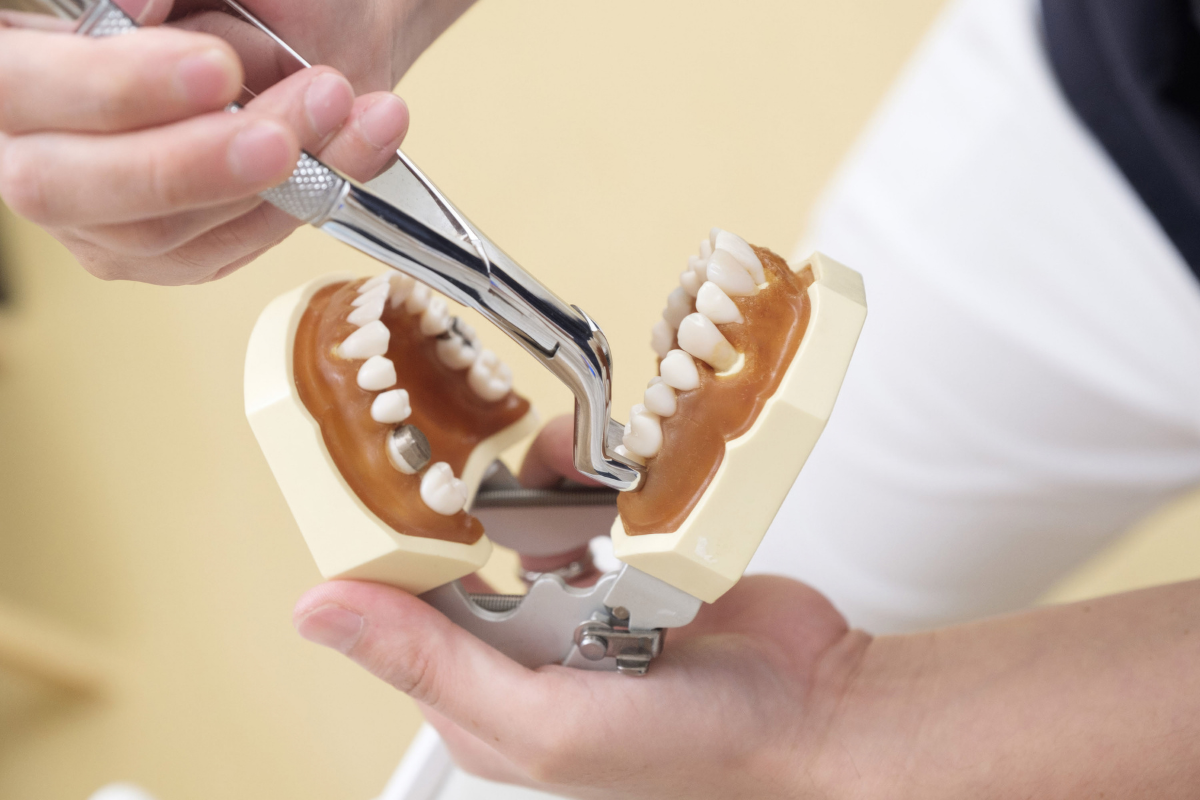
Gentle Tooth Extraction: What to Expect Before and After
A dentist will always try to save a natural tooth whenever possible. However, there are situations where removing a tooth is the healthiest option to protect your smile and prevent more serious oral health problems.
At Williams Family Dentistry, patients receive compassionate care focused on comfort and long-term oral health. Dr. Williams carefully evaluates every case, explains all available treatment options, and recommends removal only when it is truly necessary.
Many people worry about discomfort or a lengthy recovery. Fortunately, modern dental techniques have made the procedure much more comfortable than many expect. If you’re considering tooth extraction in Denver, understanding why a tooth may need to be removed and knowing what happens before, during, and after treatment can help you feel more informed and confident about your care.
When Is Tooth Extraction Necessary?
Dentists always consider treatments such as fillings, crowns, or root canal therapy before recommending removal. However, there are times when preserving a tooth is no longer possible or may affect the health of neighboring teeth.
Some common situations include:
- Severe decay that has damaged too much of the tooth
- An infection that cannot be treated successfully
- Advanced gum disease causing significant tooth mobility
- Impacted wisdom teeth can cause pain or crowding
- Broken teeth that cannot be restored
- Extra space needed before orthodontic treatment
- Baby teeth that remain in place longer than expected
Choosing removal at the right time can help prevent the spread of infection, reduce discomfort, and preserve surrounding teeth and bone.
Signs You May Need a Professional Evaluation
Not every toothache requires removal. Still, certain symptoms should be evaluated promptly by a dentist.
Watch for signs such as:
- Persistent or severe tooth pain
- Swollen or bleeding gums around one tooth
- Difficulty chewing because of discomfort
- A cracked tooth extending below the gumline
- Frequent swelling caused by infection
- Pressure from wisdom teeth affects nearby teeth
Early evaluation often provides more treatment options and may help prevent additional dental problems.
What Happens Before the Procedure?
Before recommending any treatment, your dentist will perform a thorough examination. Digital X-rays help evaluate the affected tooth, surrounding bone, nearby nerves, and neighboring teeth to determine the most appropriate course of care. If you’re considering tooth extraction in Denver, this detailed evaluation helps confirm whether removing the tooth is the right choice or if another treatment can preserve it.
During your appointment, your dentist will discuss:
- Your symptoms and dental history
- X-ray findings
- Whether the tooth can still be saved
- The expected treatment process
- Recovery instructions
- Future replacement options, if needed
This conversation helps you understand every step before treatment begins, allowing you to make an informed decision about your oral health.
What to Expect During Tooth Extraction
Many patients are surprised by how straightforward modern dental care has become. The primary goal is to keep you comfortable throughout the visit.
A typical appointment includes:
- Local Anesthesia
The area around the tooth is thoroughly numbed before treatment begins. You may notice pressure during the procedure, but you should not feel pain.
- Gentle Removal
Specialized dental instruments are used to loosen the tooth carefully before removing it. Every effort is made to protect the surrounding tissues and preserve healthy bone whenever possible.
- Immediate Care
Once the tooth has been removed, gauze is placed over the area to control bleeding. Your dentist will review detailed instructions before you leave the office.
Most appointments are completed in less than an hour, although surgical procedures such as impacted wisdom teeth may require additional time.
Recovery Tips for Faster Healing
Healing generally progresses well when aftercare instructions are followed closely. Most patients notice steady improvement during the first several days.
To encourage a smooth recovery:
- Bite gently on gauze until bleeding slows.
- Rest for the remainder of the day.
- Avoid smoking and the use of tobacco products.
- Do not drink through a straw for at least 24 hours.
- Choose soft foods like yogurt, mashed potatoes, eggs, and soup.
- Brush carefully while avoiding the treatment site.
- Take medications exactly as directed.
- Stay hydrated throughout the day.
Following these recommendations helps protect the blood clot that forms in the socket, an important part of the healing process after tooth extraction.
Foods to Eat After Treatment
Choosing the right foods during recovery can improve comfort while supporting healing.
Good options include:
- Applesauce
- Yogurt
- Mashed potatoes
- Oatmeal
- Scrambled eggs
- Cottage cheese
- Smooth soups
- Pasta
- Smoothies without a straw
As healing continues, you can gradually return to your normal diet based on your dentist’s recommendations.
Possible Tooth Replacement Options
If a permanent tooth has been removed, replacing it may help maintain proper chewing function while preventing nearby teeth from shifting out of position. Your dentist will discuss replacement choices based on your oral health, goals, and long-term needs.
Common options include:
- Dental Implants
Implants replace both the root and visible portion of a missing tooth, providing stability and helping preserve jawbone health.
- Dental Bridges
A bridge fills the gap by attaching an artificial tooth to neighboring teeth.
- Partial Dentures
Partial dentures replace one or several missing teeth and can often be removed for cleaning.
Your dentist will explain the advantages of each option so you can make an informed decision about restoring your smile after tooth extraction.
When Should You Contact Your Dentist?
Some soreness and mild swelling are expected during the first few days. However, you should contact your dental office if you notice:
- Heavy bleeding that does not slow down
- Increasing pain several days after treatment
- Fever or chills
- Swelling that continues to worsen
- Difficulty swallowing
- Unpleasant taste or drainage from the area
Prompt care can help prevent complications and support proper healing.
Modern Dentistry Makes the Process Easier
Advances in dental imaging, improved anesthesia, and refined treatment techniques have made today’s procedures safer and more comfortable than ever before. If you’re considering tooth extraction in Denver, seeking care early often leads to a simpler procedure, a smoother recovery, and better long-term oral health.
Whether the concern involves severe decay, infection, trauma, or wisdom teeth, timely treatment helps protect your overall oral health and reduces the likelihood of future complications.
Protect Your Oral Health With Compassionate Care
Although hearing that you need a tooth extraction may feel overwhelming, the procedure often provides lasting pain relief and helps preserve the health of your remaining teeth.
At Williams Family Dentistry, every patient receives personalized attention in a welcoming environment focused on comfort and clear communication. Dr. Williams will explain your treatment options, answer your questions, and help you recover with confidence so you can return to enjoying a healthy, comfortable smile. Contact our dental office today to book an appointment and learn about the right treatment for your needs.
Frequently Asked Questions.(FAQ’s)
How do I know if I need a tooth extraction?
A dentist will examine your tooth with a clinical evaluation and X-rays to determine whether it can be saved. If the damage is too severe, removal may be the healthiest option to protect your oral health.
Is tooth extraction painful?
The procedure is performed under local anesthesia, so you should not feel pain during treatment. You may notice some pressure, and any discomfort afterward is usually manageable with proper aftercare.
How long does it take to recover after a tooth extraction?
Most people can return to their normal routine within a few days. Following your dentist’s aftercare instructions, eating soft foods, and keeping the area clean can help promote a smooth recovery.
What should I avoid after having a tooth removed?
Avoid smoking, drinking through a straw, vigorous rinsing, and hard or crunchy foods during the first couple of days. These precautions help protect the healing site and reduce the risk of complications.
Do I need to replace a missing tooth after an extraction?
Replacing a missing permanent tooth is often recommended to maintain proper chewing function and prevent nearby teeth from shifting. Your dentist can explain the most suitable replacement options based on your needs.
When should I contact a dentist after an extraction?
Mild soreness and swelling are normal, but persistent bleeding, severe pain, fever, or swelling that worsens should be evaluated promptly. Timely follow-up care helps ensure proper healing and peace of mind.