
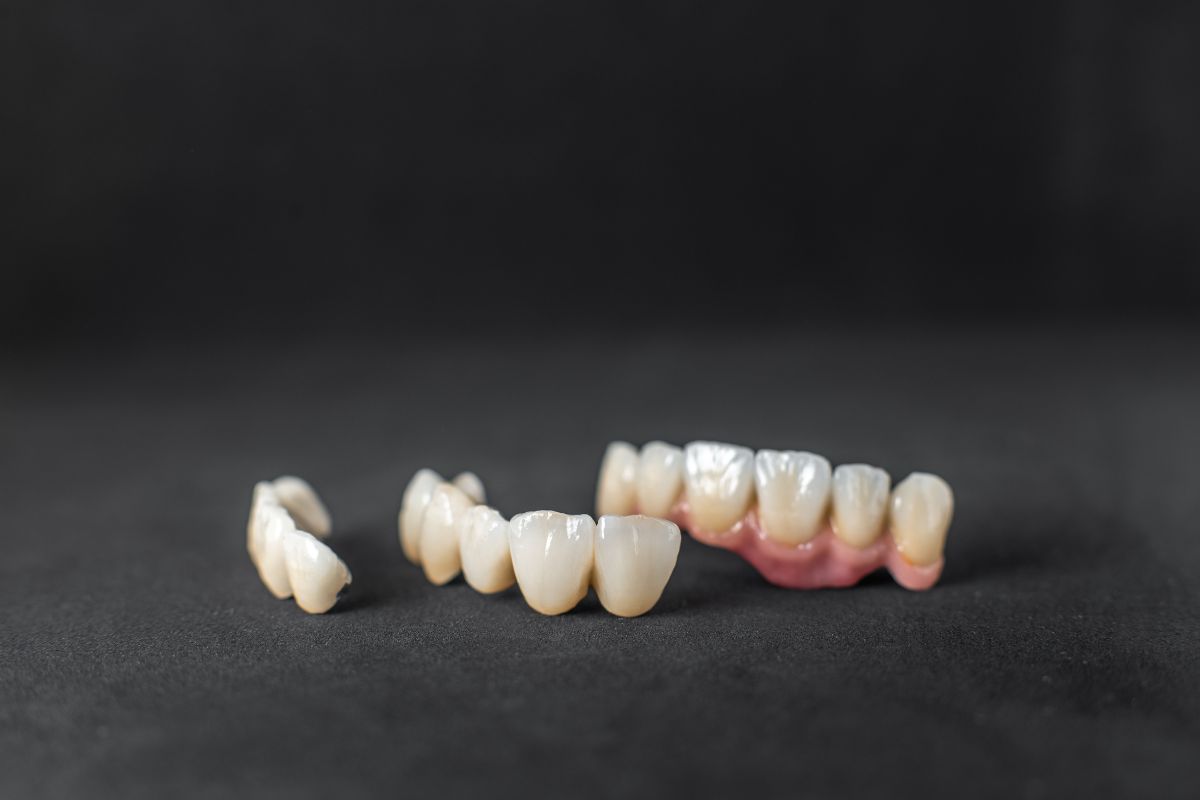
Discover How Dental Bridges Can Bring Back Your Smile
Tooth loss impacts more than appearance. It can change how you chew food, pronounce words, and even your jaw functions. Over time, untreated spaces can cause teeth to shift, affecting alignment and leading to further complications. In dentistry, dental bridges in Denver are one of the most trusted solutions for replacing missing teeth. They not only restore your smile but also protect long-term oral health.
What Makes Dental Bridges An Essential Treatment?
Dental bridges serve a purpose beyond filling visible gaps. When teeth are missing, neighboring teeth can drift, leading to misalignment, bite issues, and jaw discomfort. Fixed tooth replacement stabilizes the dental arch by distributing forces evenly, reducing strain on remaining teeth. It also helps preserve facial structure, preventing the “sunken” appearance often linked with prolonged tooth loss.
Patients often find that replacing a missing tooth with this restores normal oral function and supports long-term dental health.
Different Types Of Dental Prostheses To Restore Smiles
Dentistry offers several designs to accommodate diverse patient needs:
Traditional Bridge
It is the most common design, which anchors with crowns on both sides of the missing tooth. This is highly reliable for restoring posterior teeth where strength is essential.
Cantilever Bridge
This option requires support from only one neighboring tooth. It is used selectively, often when teeth are missing near the back of the mouth.
Maryland Bonded Bridge
Uses a metal or porcelain framework bonded to adjacent teeth. It involves minimal enamel reduction, making it less invasive but generally suited for front teeth.
Implant-Supported Bridge
This design is ideal for patients missing multiple teeth, offering enhanced durability and bone preservation.
Each type has specific clinical considerations, and the selection depends on your oral health, the number of teeth missing, and long-term goals.
Advantages That Extend Beyond Cosmetic Appeal
Replacing missing teeth with a dental prosthesis improves everyday life in several ways:
- Restores Chewing Efficiency: You can enjoy a broader range of foods without discomfort or restriction.
- Protects Facial Structure: Supporting the lips and cheeks prevents the sunken look often associated with tooth loss.
- Improves Clarity Of Speech: Gaps in the dental arch can make pronunciation difficult, which false teeth can restore.
- Maintains Long-Term Alignment: Prevents other teeth from shifting into empty spaces, which can complicate oral hygiene.
- Boosts Confidence: A complete smile makes social and professional interactions more comfortable.
Factors That Influence The Lifespan Of A Fixed Partial Denture
The average lifespan of a bridgework can range from 7 to 15 years, but longevity depends on multiple factors:
- Health Of The Abutment Teeth: Decay or gum disease around supporting teeth weakens the foundation.
- Accuracy Of Placement: A precise fit reduces strain and protects the underlying tooth structure.
- Oral Hygiene Habits: Consistent brushing, flossing, and the use of floss threaders help prevent bacterial buildup.
- Diet And Lifestyle: Chewing ice, biting hard objects, or grinding teeth can shorten the life of the restoration.
- Professional Maintenance: Regular exams allow early detection of potential issues, ensuring long-term stability.
Patients who combine proper home care with routine dental visits often enjoy decades of reliable function from their custom tooth restoration.
Why Choosing Local Dental Care In Denver Beneficial?
When considering dental bridges in Denver, local treatment offers practical advantages. Access to follow-up care is easier, making adjustments or check-ins more convenient. Familiarity with community lifestyle and expectations allows dental professionals to provide care that fits seamlessly into your routine. Building a long-term relationship with a local provider also ensures consistent monitoring of your oral health.
What To Expect During The Procedure?
The process of getting a tooth-supported restoration typically takes two visits. During the first visit, your dentist will prepare the teeth on either side of the gap. This may involve reshaping the teeth to make space for the crowns holding the dental work. Impressions of your teeth will be taken to create a custom-fit bridge.
A temporary bridge may be placed while your permanent one is being fabricated. On your second visit, the permanent bridge will be fitted, adjusted, and cemented in place.
Aftercare And Maintenance
Once your dental prosthesis is placed, adequate care is essential to ensure its longevity. Regular brushing and flossing around the treated area are crucial, as are routine dental check-ups to monitor its condition. A specialist may also recommend tools like a floss threader to help you clean around the dental prosthesis without complexity.
Bring Back Comfort, Function, And Confidence
Replacing missing teeth is about preserving health as much as restoring appearance. With proper planning and consistent care, dental bridges in Denver offer long-term stability, protect surrounding oral structures, and allow you to regain natural function. Beyond the clinical benefits, they also provide the confidence to smile, speak, and eat without hesitation.
We are dedicated to guiding you through every stage of your treatment with professionalism and care. Whether you are considering your first bridge or exploring replacement options, our team is here to provide clear answers and lasting solutions. Schedule an appointment with us today, or visit our clinic in Denver, CO, for comprehensive guidance toward a healthier, confident smile.