
How Missing Teeth Affect Your Oral Health and How Dental Bridges Help
Missing a tooth may seem like a cosmetic concern at first, but the effects extend far beyond your smile. Every tooth plays an important role in helping you chew, speak clearly, and maintain the balance of your bite. When one or more teeth are lost, the surrounding teeth, gums, and jawbone begin to change over time. These changes often happen gradually, making them easy to ignore until they begin affecting everyday comfort and oral health.
At Williams Family Dentistry, we believe that understanding the impact of tooth loss is the first step toward protecting your long-term oral health. Whether your missing tooth resulted from decay, gum disease, injury, or another dental condition, replacing it early can help prevent additional complications.
Many patients searching for dental bridges in Denver want a dependable way to restore their smile while improving chewing ability and maintaining proper tooth alignment. This guide explains how missing teeth affect your oral health and how dental bridges can help restore function, comfort, and confidence.
Why Every Tooth Matters
Your teeth function as a complete system. Each tooth supports the ones beside it while helping distribute the force created when you bite and chew. They also help maintain proper jaw alignment, support facial muscles, and contribute to clear speech.
When even one tooth is missing, this balance begins to change. Over time, the surrounding teeth adjust to the empty space, placing additional stress on your gums, jaw, and remaining teeth.
Replacing missing teeth is about far more than appearance. It is an important step toward preserving your oral health and preventing future dental problems.
Common Causes of Missing Teeth
Tooth loss can happen for several reasons. Understanding the cause helps your dentist recommend the most appropriate treatment.
Some of the most common causes include:
- Advanced tooth decay
- Gum disease (periodontal disease)
- Sports injuries or accidents
- Cracked or fractured teeth beyond repair
- Failed dental restorations
- Congenitally missing teeth
- Severe infections
- Bone loss around the teeth
Regardless of the cause, leaving the space untreated can create additional oral health concerns over time.
How Missing Teeth Affect Your Oral Health
- Neighboring Teeth Begin to Shift
One of the earliest effects of tooth loss is the gradual movement of nearby teeth. Every tooth depends on adjacent teeth for support. Once a gap forms, neighboring teeth naturally begin drifting toward the empty space.
This shifting may seem minor initially, but it can eventually lead to:
- Crooked or crowded teeth
- Changes in bite alignment
- Difficulty flossing between teeth
- Increased plaque accumulation
- Greater risk of cavities
- Uneven tooth wear
As teeth continue to move, cleaning becomes more difficult. Food particles and bacteria become trapped in hard-to-reach areas, increasing the likelihood of tooth decay and gum disease.
Replacing missing teeth before significant movement occurs helps maintain proper alignment and protects the health of surrounding teeth.
- Chewing Becomes Less Comfortable and Less Efficient
Many people automatically avoid chewing on the side where a tooth is missing. While this may seem like a simple adjustment, it often creates uneven pressure throughout the mouth.
Over time, this imbalance may result in:
- Difficulty chewing tougher foods
- Jaw muscle fatigue
- Increased pressure on healthy teeth
- Faster wear of remaining teeth
- Reduced enjoyment of meals
Proper chewing is also an important part of digestion. Breaking food into smaller pieces allows your digestive system to work more efficiently. Missing teeth can reduce chewing effectiveness and encourage people to avoid nutritious foods that require more biting force.
- Jawbone Loss Can Occur
One of the most significant long-term consequences of tooth loss happens beneath the gums.
Healthy tooth roots stimulate the jawbone every time you chew. Once a tooth is lost, that area of bone no longer receives regular stimulation. As a result, the body gradually begins to resorb the unused bone.
Jawbone loss may contribute to:
- Reduced bone volume
- Changes in facial appearance
- A sunken or aged look
- Less support for neighboring teeth
- Difficulty with future restorative procedures
Because bone changes happen slowly, many people are unaware that they are occurring until significant bone loss has already developed.
- Bite Alignment Changes Over Time
Every tooth helps distribute biting forces evenly throughout the mouth. When a tooth is missing, the remaining teeth absorb additional pressure.
This imbalance may cause:
- Uneven tooth wear
- Increased pressure on certain teeth
- Jaw discomfort
- Bite irregularities
- Greater risk of cracked or chipped teeth
A balanced bite allows the teeth, jaw muscles, and jaw joints to function together properly. Replacing missing teeth helps restore that balance.
- Gum Health May Decline
The empty space left behind after tooth loss often becomes a trap for food debris and bacteria.
Without proper cleaning, plaque can accumulate more easily around neighboring teeth.
This increases the likelihood of:
- Gum inflammation
- Bleeding gums
- Persistent bad breath
- Periodontal disease
- Additional tooth loss
Healthy gums provide the foundation for healthy teeth. Addressing tooth loss early helps support healthier gum tissue over the long term.
- Speaking Clearly Can Become More Difficult
Certain teeth play a significant role in speech. Missing front teeth, in particular, can affect the pronunciation of several sounds.
People with missing teeth sometimes notice:
- Slurred speech
- Whistling sounds
- Difficulty pronouncing certain letters
- Reduced confidence during conversations
Replacing missing teeth often restores clearer speech while helping patients feel more comfortable in social and professional situations.
What Happens If You Do Not Replace Missing Teeth?
Many people assume they can live comfortably with one missing tooth. While this may seem manageable at first, untreated tooth loss often creates additional oral health problems over time.
Without replacement, you may experience:
- Progressive tooth movement
- Increasing bite problems
- Greater stress on remaining teeth
- Ongoing jawbone deterioration
- Difficulty eating a balanced diet
- Increased risk of gum disease
- Changes in facial structure
- Lower self-confidence
The longer a missing tooth remains untreated, the more complicated future treatment may become.
How Dental Bridges Help Restore Your Smile
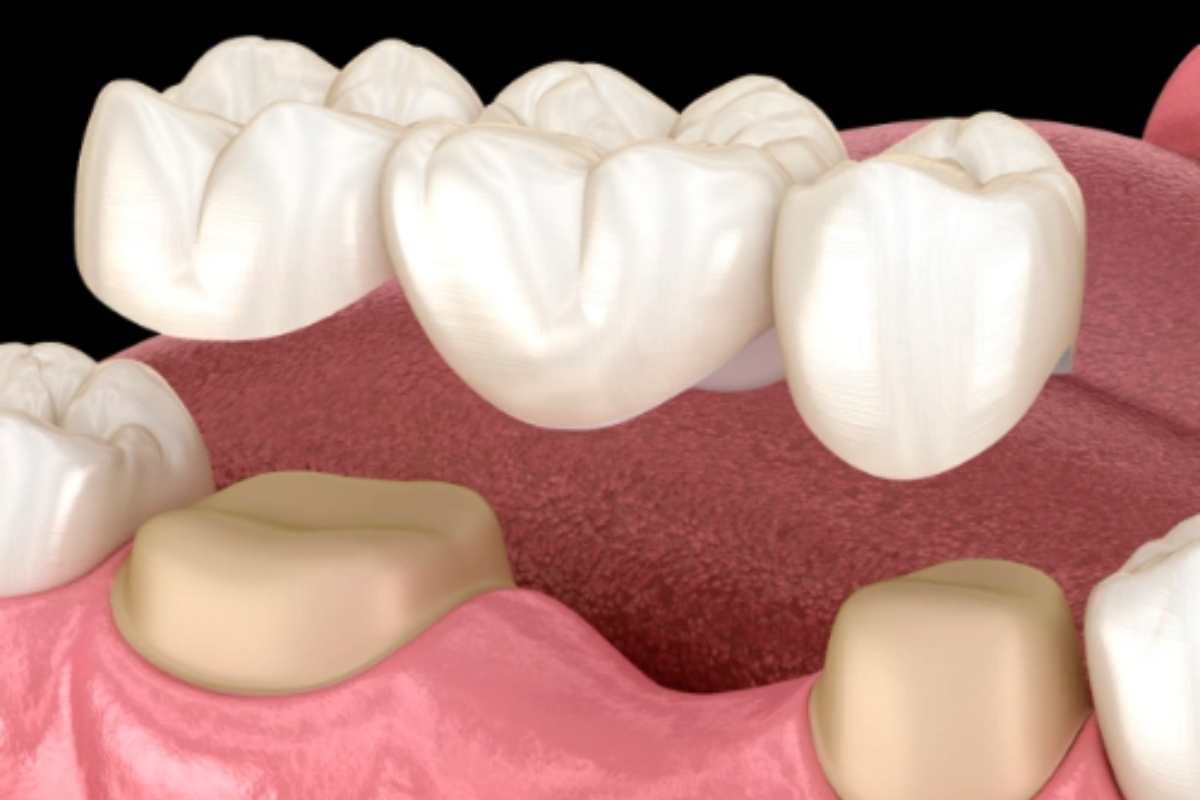
One of the most reliable options for replacing missing teeth is dental bridges. A bridge fills the gap left by one or more missing teeth by securing an artificial tooth between healthy supporting teeth or, in certain cases, attaching it to dental implants.
For many patients seeking dental bridges in Denver, this treatment restores everyday function while preserving the natural appearance of the smile. At Williams Family Dentistry, every treatment begins with a comprehensive evaluation to determine whether a bridge is the most appropriate solution based on your oral health, gum condition, and bite alignment.
Beyond improving appearance, dental bridges help restore balance throughout the mouth. By filling the empty space, they reduce unnecessary movement of neighboring teeth, improve chewing efficiency, and help maintain proper bite function. Many patients also find that speaking becomes easier and everyday comfort improves after treatment.
Additional benefits include:
- Restoring natural chewing function
- Supporting clearer speech
- Preventing nearby teeth from shifting
- Improving bite stability
- Maintaining facial appearance
- Distributing chewing forces more evenly
- Helping preserve overall oral health
Unlike removable tooth replacement options, dental bridges remain securely in place, allowing many patients to eat, speak, and smile with greater confidence.
What to Expect During the Dental Bridge Process
Replacing missing teeth is a carefully planned process that focuses on restoring function, appearance, and long-term oral health. Every patient has unique dental needs, so treatment begins with a comprehensive evaluation to determine the most appropriate approach.
Comprehensive Dental Examination
Your visit begins with a complete assessment of your oral health. Your dentist examines your teeth, gums, bite, and supporting bone while reviewing your dental history and treatment goals.
During this evaluation, your dentist will determine:
- The condition of the neighboring teeth
- Whether your gums are healthy enough for treatment
- The location and size of the missing space
- Your bite alignment
- Whether a bridge is the right restoration for your needs
At Williams Family Dentistry, patients receive personalized recommendations based on their individual oral health rather than a one-size-fits-all solution.
Preparing the Supporting Teeth
If a traditional bridge is recommended, the teeth on either side of the gap are carefully prepared so crowns can securely support the restoration.
This preparation allows the bridge to fit comfortably while maintaining proper bite alignment.
Digital Impressions
Precise impressions or digital scans are taken to create a restoration that fits naturally with your existing teeth.
These impressions help ensure:
- Proper bite alignment
- Natural appearance
- Comfortable fit
- Accurate chewing function
Every restoration is designed to blend with the size, shape, and color of your surrounding teeth.
Temporary Restoration
While your permanent restoration is being fabricated, a temporary bridge may be placed to protect the prepared teeth and maintain function.
This temporary restoration allows you to continue eating and speaking while waiting for your final bridge.
Final Placement
Once your permanent restoration is ready, your dentist carefully checks the fit, bite, and appearance before securing it into place.
Minor adjustments may be made to ensure maximum comfort and proper function.
Throughout the entire process, Dr. Williams explains each step, answers your questions, and ensures you understand how to care for your restoration after placement.
Benefits Beyond Restoring Your Smile
Many people initially seek treatment because they want to replace a missing tooth. While improving appearance is certainly important, the benefits extend much further.
- Restores Comfortable Chewing
Replacing missing teeth allows biting forces to be distributed more evenly across your mouth.
Many patients notice they can once again enjoy foods they previously avoided.
- Helps Maintain Proper Bite Alignment
When gaps remain untreated, neighboring teeth often drift into the empty space.
Replacing missing teeth helps preserve their natural position and reduces unnecessary movement.
- Supports Clear Speech
Certain speech sounds rely on the proper position of your teeth.
Replacing missing teeth may improve pronunciation and help you speak more comfortably during everyday conversations.
- Protects Remaining Teeth
Missing teeth often place additional pressure on healthy teeth.
By restoring the gap, chewing forces become more evenly distributed, helping reduce excessive wear on surrounding teeth.
- Improves Daily Confidence
Many patients become self-conscious about smiling, laughing, or speaking after losing a tooth.
Replacing missing teeth often helps restore confidence in both social and professional settings.
- Makes Eating More Enjoyable
Missing teeth may limit the foods you comfortably eat.
After treatment, many patients return to a more varied diet, making it easier to enjoy nutritious meals.
Who Is a Candidate for Dental Bridges?
Many adults with one or more missing teeth may be candidates for dental bridges, although eligibility depends on several factors.
You may benefit from treatment if you:
- Have one or more missing teeth
- Have healthy teeth adjacent to the gap
- Maintain healthy gums
- Practice regular oral hygiene
- Want a fixed tooth replacement option
- Wish to restore chewing function and appearance
During your consultation, your dentist will explain all available treatment options and help determine which solution is appropriate for your oral health goals.
How to Care for Your Dental Bridge
Proper home care helps protect both your restoration and your natural teeth.
Daily habits that support long-term success include:
- Brush twice every day using a soft-bristled toothbrush.
- Floss carefully around and beneath the bridge using recommended cleaning aids.
- Attend routine dental examinations and professional cleanings.
- Limit chewing ice, hard candy, and other hard objects.
- Follow your dentist’s recommendations for maintaining healthy gums.
- Contact your dentist if the restoration ever feels loose or uncomfortable.
Consistent oral hygiene helps your restoration remain functional and supports the health of the surrounding teeth for many years.
Why Acting Early Makes a Difference
Many people delay replacing missing teeth because they are not experiencing pain. However, tooth loss often causes gradual changes that become more difficult to correct over time.
Seeking treatment sooner may help:
- Prevent neighboring teeth from shifting
- Preserve proper bite alignment
- Support healthier gums
- Reduce unnecessary wear on remaining teeth
- Maintain jawbone support
- Improve chewing and speech before complications develop
Patients looking for dental bridges in Denver often discover that early treatment helps preserve more of their natural oral health while reducing the likelihood of future dental concerns.
Restore Your Oral Health and Smile with Confidence
Missing teeth affect much more than appearance. They influence the way you chew, speak, maintain oral hygiene, and protect your remaining teeth. Addressing tooth loss early can help preserve your bite, support healthier gums, and improve everyday comfort.
If you are considering dental bridges in Denver, the team at Williams Family Dentistry is here to help you understand your options and restore your smile with personalized care. Dr Williams will evaluate your oral health, explain your treatment choices, and create a plan focused on long-term function and stability.
If you live in Denver or the surrounding communities, now is the ideal time to take the next step toward restoring your smile. Contact us today to book an appointment and learn whether dental bridges are the right solution for replacing your missing teeth.
Frequently Asked Questions (FAQ’s)
1. Can a missing tooth affect my overall oral health?
Yes. A missing tooth can cause neighboring teeth to shift, change your bite, and make chewing more difficult. It may also increase the risk of gum disease and uneven tooth wear. Replacing the missing tooth early helps maintain better oral function and supports long-term dental health.
2. How long do dental bridges last?
With proper oral hygiene and regular dental checkups, dental bridges can last many years. Daily brushing, flossing around the restoration, and routine professional cleanings all contribute to their longevity. Your dentist will also monitor the supporting teeth during regular visits.
3. Will a dental bridge look like my natural teeth?
Yes. Modern restorations are designed to closely match the color, shape, and size of your surrounding teeth. The goal is to create a natural-looking result that blends with your smile while restoring normal function and confidence.
4. Is getting a dental bridge uncomfortable?
Most patients tolerate the procedure very well. Your dentist will ensure you remain comfortable throughout treatment and explain each step before beginning. After placement, it usually takes only a short time to adjust to your new restoration.
5. Can I eat normally after getting a dental bridge?
Yes. Once your restoration is securely placed and you have adjusted to it, you can return to eating many of your favorite foods. Your dentist may recommend avoiding extremely hard or sticky foods to help protect your restoration and keep it functioning well.
6. When should I consider replacing a missing tooth?
It is recommended to replace a missing tooth as soon as possible. Waiting too long can allow nearby teeth to shift, affect your bite, and increase the likelihood of additional dental problems. Scheduling a dental evaluation early allows your dentist to recommend the most appropriate treatment before complications develop.