
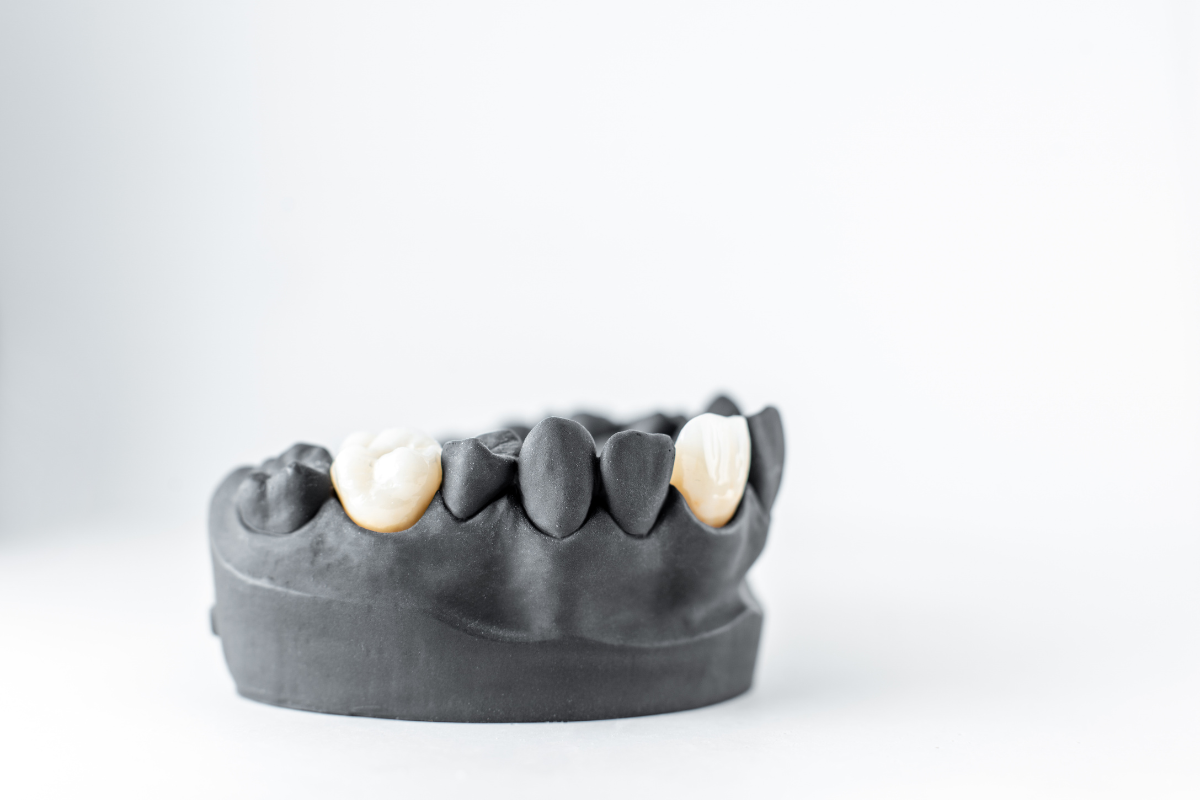
Protect Your Teeth and Refresh Your Smile with Quality Dental Crowns
A cracked tooth, a cavity that has progressed too far, or a tooth weakened after a root canal can make eating, talking, and even smiling feel uncomfortable. If you are dealing with any of these issues, a tooth crown could be exactly what you need. This protective cap fits over your damaged tooth, restores its shape and strength, and helps you get back to living your life without worrying about your teeth.
At Williams Family Dentistry, the team helps patients across the Denver area deal with just these kinds of problems every day. Dr. Williams has over 25 years of dental experience and takes the time to walk each patient through their options so they can make confident choices about their care.
What Is a Dental Crown?
It is a tooth-shaped cap that fits over a damaged, decayed, or weakened tooth. It covers the entire visible part of the tooth, from the gumline up, and holds it together so it can function like a healthy tooth.
Crowns are made from different materials, including:
- Porcelain– looks the most natural and blends in with surrounding teeth
- Ceramic– strong and natural-looking; a popular choice for front teeth
- Zirconia– very durable and a good option for back teeth that handle more chewing pressure
- Metal– the most durable option, but more visible; typically used for back molars
The dental practitioner will help you choose the right material based on where the tooth is located, how much pressure it takes, and what you want it to look like.
Are you looking for dental crowns in Denver to restore damaged teeth and bring back a confident, natural-looking smile? Visit our dental practice today.
When Do You Need a Crown?
Dental crowns are among the most common restorative treatments used to address a range of tooth problems. You may need a tooth cap if:
- A tooth has a large cavity that a filling cannot fully fix
- You have a cracked or fractured tooth
- A tooth has been worn down from grinding
- You just had a root canal, and the tooth needs protection
- A tooth is broken, but the root is still healthy
- You want to cover a misshapen or severely discolored tooth
Many Denver residents push through tooth pain or ignore a cracked tooth because they are busy. Between work, the outdoors, and daily life, dental visits can easily fall to the bottom of the priority list. However, placing a cap now can prevent a tooth from breaking further or needing to be pulled entirely.
How the Crown Process Works
Getting a crown usually takes two visits to the dental office.
First Visit: Preparing the Tooth:
During your first appointment, the dentist will:
- Numb the area with local anesthesia so you are comfortable throughout
- Remove any decay from the tooth
- Reshape the tooth so the crown will fit over it properly
- Take impressions or digital scans of your teeth
- Place a temporary crown to protect the tooth while your permanent crown is being made
Second Visit: Placing the Crown:
Once your tooth cap is ready, you will come back to have it placed. The dental professional will:
- Remove the temporary crown
- Check the fit and color match of the permanent crown
- Cement it into place
That is it. After the second visit, your restored tooth is ready to go.
What Makes a Crown a Long-Term Solution?
With the right care, a crown can last 10 to 15 years or longer. That makes it a reliable, long-lasting way to handle tooth damage instead of putting it off or dealing with repeat problems.
To Help Your Crown Last:
- Brush twice a day and floss daily
- Avoid chewing on hard objects like ice or pens
- Wear a nightguard if you grind your teeth while sleeping
- Visit the dentist for regular checkups and cleanings
Denver’s active lifestyle, like hiking, skiing and cycling can also put extra stress on your teeth. If you play contact sports or grind your teeth at night, talk to the dental practitioner about protective options to help your crown stay in good shape over the long run.
Will The Procedure Hurts?
This is one of the most common questions patients ask. The honest answer is: no, it should not. The procedure is done with local anesthesia, which means you will not feel pain during treatment. Some mild soreness around the area is normal for a day or two after the appointment, but most patients find it easy to manage.
Patients who have been to Williams Family Dentistry have noted that the process felt smooth and pain-free and that they could not even tell they had a crown afterward.
Is a Crown Right for You?
Every situation is different. The only way to know for sure is to have your tooth looked at by a dentist who can assess the damage and recommend the right solution. A crown is not always the answer; sometimes a filling or another treatment is enough. But when a crown is the right fit, it works very well.
If you have been putting off dealing with a broken, cracked, or badly decayed tooth, now is a good time to address it. You can book an appointment in Denver and have a professional take a look before the problem gets more serious.
Visit Our Dental Practice for Tooth Crowns
At Williams Family Dentistry, patients are treated with care, honesty, and the kind of attention that keeps people coming back year after year. Dr. Williams and her team are known for explaining every step of the process and making sure patients feel comfortable before anything begins.
If you have been dealing with a damaged tooth or it has been a while since your last dental checkup, reach out today.
Call to schedule your visit and find out whether dental crowns in Denver are the right solution for your smile.
Frequently Asked Questions(FAQ’s)
Q: How long does a dental crown last?
With proper care, a crown can last 10 to 15 years or even longer. Good brushing habits and regular dental visits go a long way in keeping it in great shape.
Q: Is getting a crown painful?
The procedure is done under local anesthesia, so you should not feel any pain during the appointment. You may notice some mild sensitivity for a couple of days afterward, but it typically goes away quickly.
Q: Can a crown fall off?
It is uncommon, but it can happen. If your crown ever feels loose or comes off, contact the dental office right away so it can be checked and re-cemented if needed.
Q: How do I know if I need a crown or just a filling?
A dentist will examine your tooth and determine how much damage there is. If the decay or crack is too large for a filling to hold effectively, a crown is usually the better choice. A proper exam is the only way to know for sure.
Q: Will my crown look natural?
Yes. Porcelain and ceramic crowns are made to match the color and shape of your surrounding teeth. Most people cannot tell the difference between a crown and a natural tooth.
Q: Can I eat normally after getting a crown?
Once the crown is fully placed and set, you can eat normally. The dentist may advise you to avoid very hard or sticky foods right after the procedure, but everyday meals should be no problem.