
Why Dental Crowns Are the Best Solution for Damaged or Weak Teeth
Living with a broken or damaged tooth is more than just uncomfortable; it affects how you eat, how you speak, and how confident you feel when you smile. Many people in Denver deal with cracked or weakened teeth and wonder whether to just live with them or seek a real fix. The truth is, ignoring a damaged tooth only makes things worse over time.
If you have been putting off treatment because you are unsure of your options, a dental crown could be exactly what you need. A crown fits snugly over your existing tooth, restoring its shape, strength, and function, without pulling the tooth out. It is one of the most common and reliable restorative treatments in dentistry today.
At Williams Family Dentistry in Denver, Dr. Margie Williams and her team help patients repair damaged teeth and return to comfortable living. If your tooth is causing you pain or worry, read on to find out how a crown could change that.
Why Do Teeth Break or Weaken in the First Place?
Denver residents lead active lives. From hitting the slopes in the winter to mountain biking the trails in the summer, it is easy to take a hit to the mouth and crack a tooth. But physical impact is just one reason teeth break down.
Here Are The Most Common Causes Of Weak Or Damaged Teeth:
Tooth decay left untreated. When a cavity goes unaddressed for too long, it eats deeper into the tooth structure. Over time, the tooth loses enough natural material that a simple filling no longer works. The tooth becomes fragile and prone to cracking.
Teeth grinding (bruxism). Many people grind their teeth at night without realizing it. This constant pressure wears down the enamel and weakens the tooth’s overall structure. Denver’s high-altitude lifestyle and busy schedules contribute to stress, and stress is one of the leading triggers of nighttime grinding.
Large or old fillings. Fillings do not last forever. When an old filling breaks down or a new cavity forms around it, the tooth no longer has enough healthy structure to support another filling. At that point, a crown becomes the right choice.
Cracked or chipped teeth. Whether from biting into something hard, a sports injury, or an accident, a crack or chip can make a tooth hypersensitive to temperature and pressure. Left untreated, cracks grow deeper and can eventually split the tooth entirely.
Root canal treatment. After a root canal, the tooth no longer has a blood supply. This makes it more brittle than a living tooth. Placing a crown over a root canal-treated tooth protects it from fracturing under normal chewing forces.
What Does a Tooth Crown Actually Do?
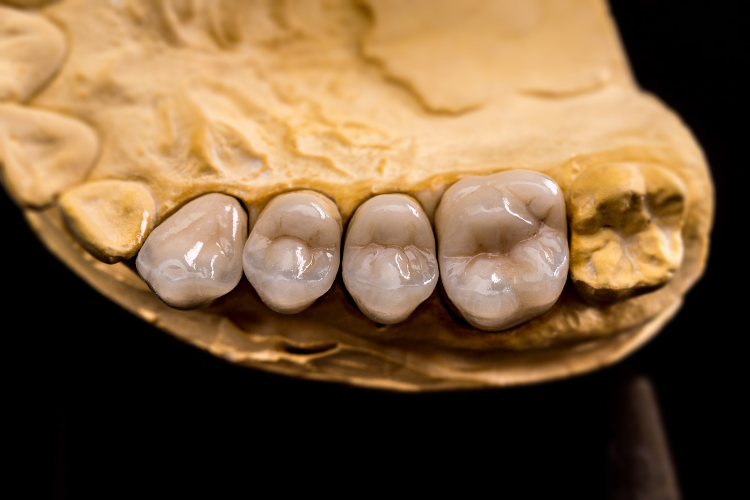
A crown is a protective cap that goes over the entire visible portion of your tooth. It wraps around the damaged or weakened tooth, holding everything together and shielding it from further harm. For example, dental crowns in Denver, or from anywhere you choose, offer patients a way to preserve their natural teeth while fully restoring both their appearance and function. Once a crown is in place, you can chew normally, brush and floss like usual, and stop worrying about that tooth.
Here is a closer look at how these restorations protect damaged teeth:
They prevent the tooth from splitting further. A cracked tooth is at constant risk of breaking all the way through. A crown holds the tooth together under pressure, stopping the crack from spreading.
They seal out bacteria. A damaged tooth has exposed areas where bacteria can enter and cause infection. A crown completely covers these vulnerabilities, protecting the inner layers of the tooth from decay.
They restore bite function. When a tooth hurts, most people avoid chewing on that side. This puts uneven stress on the rest of your teeth. A crown eliminates the pain and lets you chew evenly across your whole mouth again.
They support a weakened tooth after decay removal. Once deep decay is removed, the remaining tooth structure may not be strong enough to handle daily chewing on its own. A crown reinforces what is left and extends the life of the tooth.
If you have a cracked, broken, or weak tooth and you live in or around Denver, do not wait. The longer you delay, the more the damage spreads, and what could have been a crown today may become an extraction tomorrow. Call us to schedule your appointment.
What Materials Are Used for Crowns?
Not all tooth coverings look or feel the same. Your dentist will recommend a material based on where the tooth is located, how much biting force it receives, and what kind of appearance matters to you.
Porcelain crowns look the most natural. They match the color and translucency of real teeth, making them a popular choice for front teeth where appearance matters most.
Zirconia crowns combine strength with a natural look. They hold up extremely well under the pressure of back teeth and resist chipping. Many patients choose zirconia for both front and back teeth because of the durability and realistic appearance.
Porcelain-fused-to-metal crowns have a metal base for strength and a porcelain outer layer for aesthetics. They work well for back teeth but may show a faint dark line near the gumline over time.
Metal crowns are the most durable option and work best on molars that absorb the heaviest bite forces. They are not visible when you smile, so many patients do not mind the metallic appearance in the back of the mouth.
Dr. Williams will walk you through each option during your visit so you can choose the option that fits your tooth, lifestyle, and goals.
What to Expect During the Crown Process
Getting a crown typically takes two visits.
First visit — preparing the tooth. Dr. Williams numbs the area around the tooth so you feel comfortable throughout the appointment. She then reshapes the tooth slightly to create room for the crown to sit properly. An impression of the tooth is taken and sent to a dental lab where your permanent crown is made. A temporary crown goes over the tooth to protect it in the meantime.
Second visit — placing the permanent crown. Once the permanent crown arrives from the lab, Dr. Williams checks the fit, color, and bite alignment. She then cements it securely into place. Most patients leave the office feeling immediate relief, no more sensitivity, no more sharp edges, no more worry.
With proper care, brushing, flossing, and routine checkups, a crown can last 10 to 15 years or longer.
Signs You May Need a Crown
You do not always have to wait until a tooth breaks completely. These signs tell you it is time to visit a dentist and ask about a crown:
- Sharp pain when biting or chewing
- Tooth sensitivity to hot or cold that lingers
- A visible crack or chip in the tooth
- A cavity too large for a filling
- A tooth that has already had a root canal
- A broken or failing old filling
If any of these sound familiar, visit our dental office in Denver and let Dr. Williams take a look. Early treatment always leads to better outcomes.
How to Care for Your Crown Once It Is in Place
A crown protects your tooth, but it still needs basic care:
- Brush twice a day and floss daily, including around the crown
- Avoid biting ice, hard candy, or using your teeth to open packages
- Wear a nightguard if you grind your teeth
- Attend regular cleanings and exams every six months
These habits keep both the crown and the underlying tooth healthy for years to come.
Restore Your Smile at Williams Family Dentistry
A damaged tooth does not have to stay that way. At Williams Family Dentistry, Dr. Williams helps Denver patients move from pain and uncertainty to comfort and confidence, one appointment at a time. Whether your tooth is cracked, decayed, or worn down, a custom tooth crown can protect it, strengthen it, and make it look completely natural again.
Do not let a broken tooth hold you back from eating the foods you love or smiling without hesitation. Book an appointment with us today or stop by 4624 Central Park Blvd, Suite 102, Denver, CO 80238. We are here and ready to help you get your smile back.
Frequently Asked Questions (FAQs)
Q1: How do I know if my tooth needs a crown or just a filling?
If your cavity is small and the surrounding tooth structure is healthy, a filling usually works well. However, if the decay is large, the tooth is cracked, or a previous filling has broken down, a crown provides the stronger protection your tooth needs. Your dentist will evaluate your tooth and recommend the right option.
Q2: Does getting a crown hurt?
The procedure itself is not painful because your dentist numbs the area before starting. Some patients notice mild soreness or sensitivity after the anesthetic wears off, but this fades within a day or two. Most people find the process much more comfortable than they expected.
Q3: How long does a dental crown last?
With good oral hygiene and regular dental visits, a crown can last 10 to 15 years or even longer. The crown’s material and your daily habits, like avoiding hard foods and grinding, play the biggest role in how long it holds up.
Q4: Can a crown fall off or come loose?
It is not common, but it can happen, usually due to sticky foods, teeth grinding, or normal wear over many years. If your crown ever loosens or comes off, contact your dentist right away. The sooner it is reattached, the better, since the exposed tooth underneath can become sensitive or susceptible to decay.
Q5: Will my crown look like a natural tooth?
Yes. Modern crowns, especially porcelain and zirconia options, closely match the color, shape, and size of your surrounding teeth. Most people cannot tell the difference between a crown and a natural tooth once it is placed.